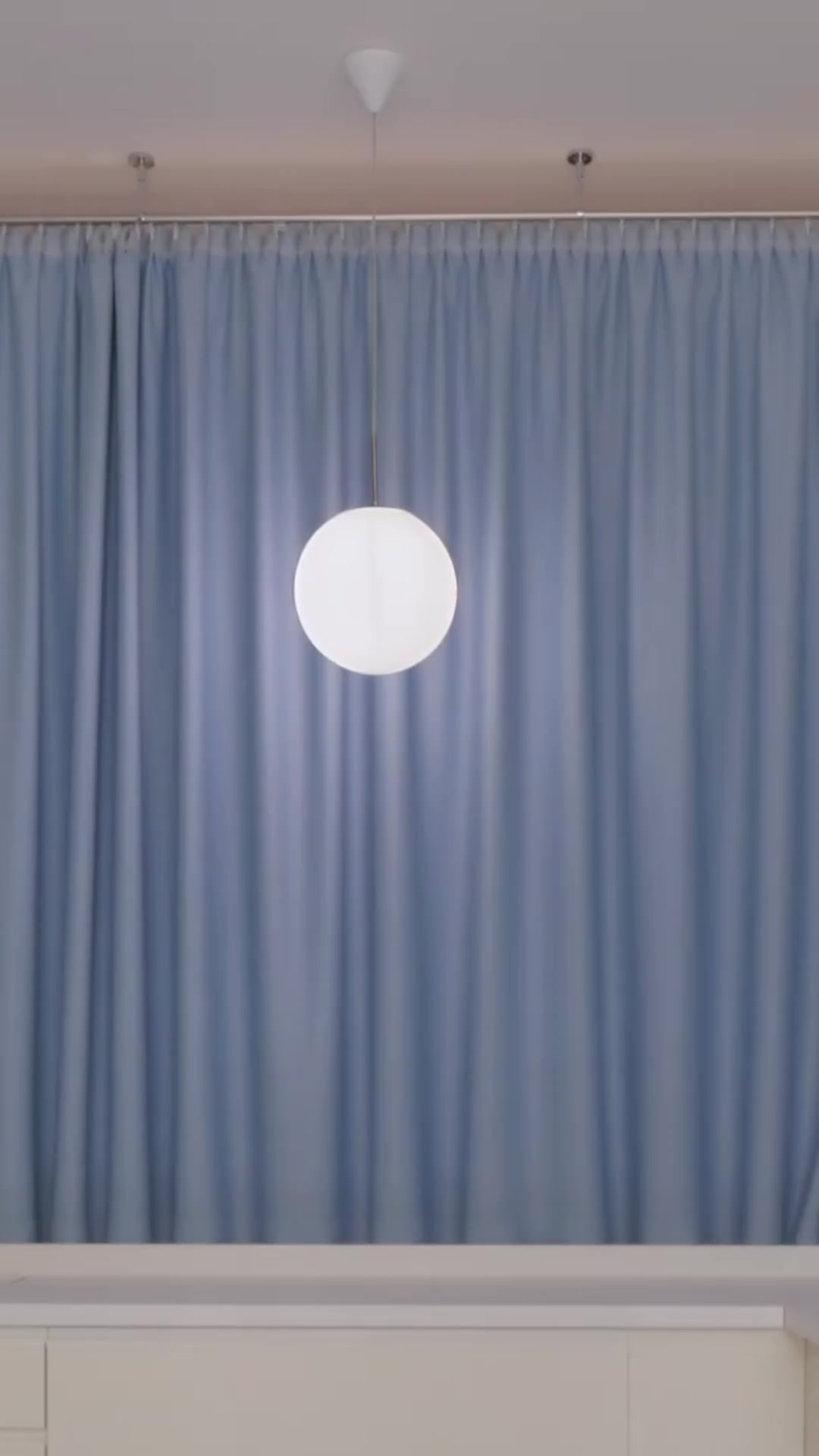
Colour is part of how we build space. It can change scale, define a threshold, guide movement or give identity to a place. We work with it through material, surface, light and contrast, making it part of the architecture from the beginning.
(01)
Futurum
Futurum uses colour at the scale of a building. Different tones break down the mass of the existing shopping centre and give its volumes a clearer identity. Across the façades and entrances, colour helps organise a very large structure and changes how it is perceived from the city.

(02)
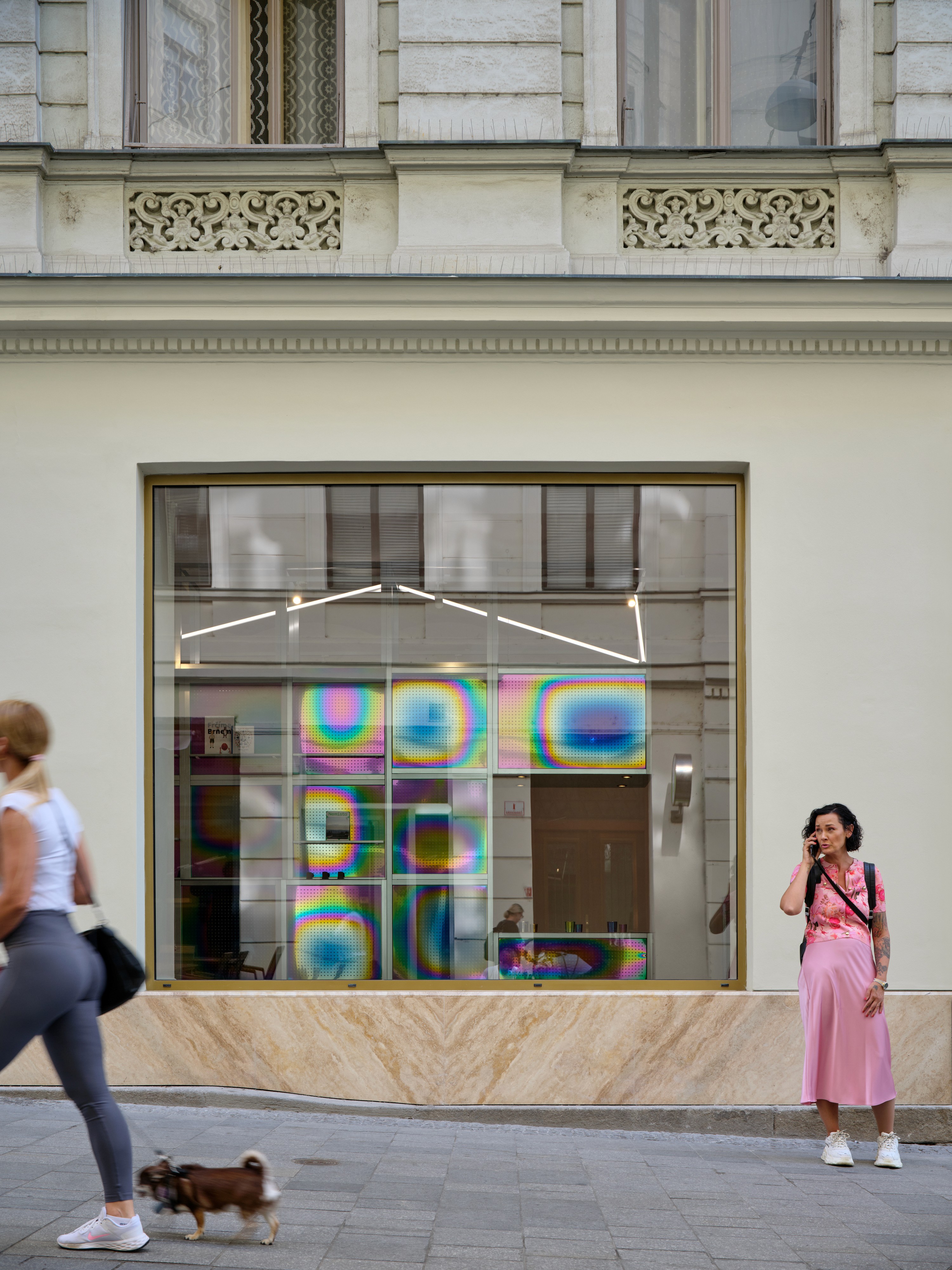
The Civic Counter
Here, colour comes through material and reflection. Travertine is paired with perforated titanium-coated metal that shifts with light, movement and viewpoint. The changing surface gives a small public interior a strong presence and allows it to respond continuously to the activity of the street around it.
(03)
JIC Incubator
Colour helps organise a workplace without dividing it into closed rooms. Surfaces, furniture and material changes give different areas their own character while maintaining visual connections across the interior. Together with daylight, colour becomes a subtle way of creating orientation, rhythm and identity within an open working environment.